Consultant Corneal Surgery · Colchester, Essex
Corneal Surgery & Transplantation in Essex
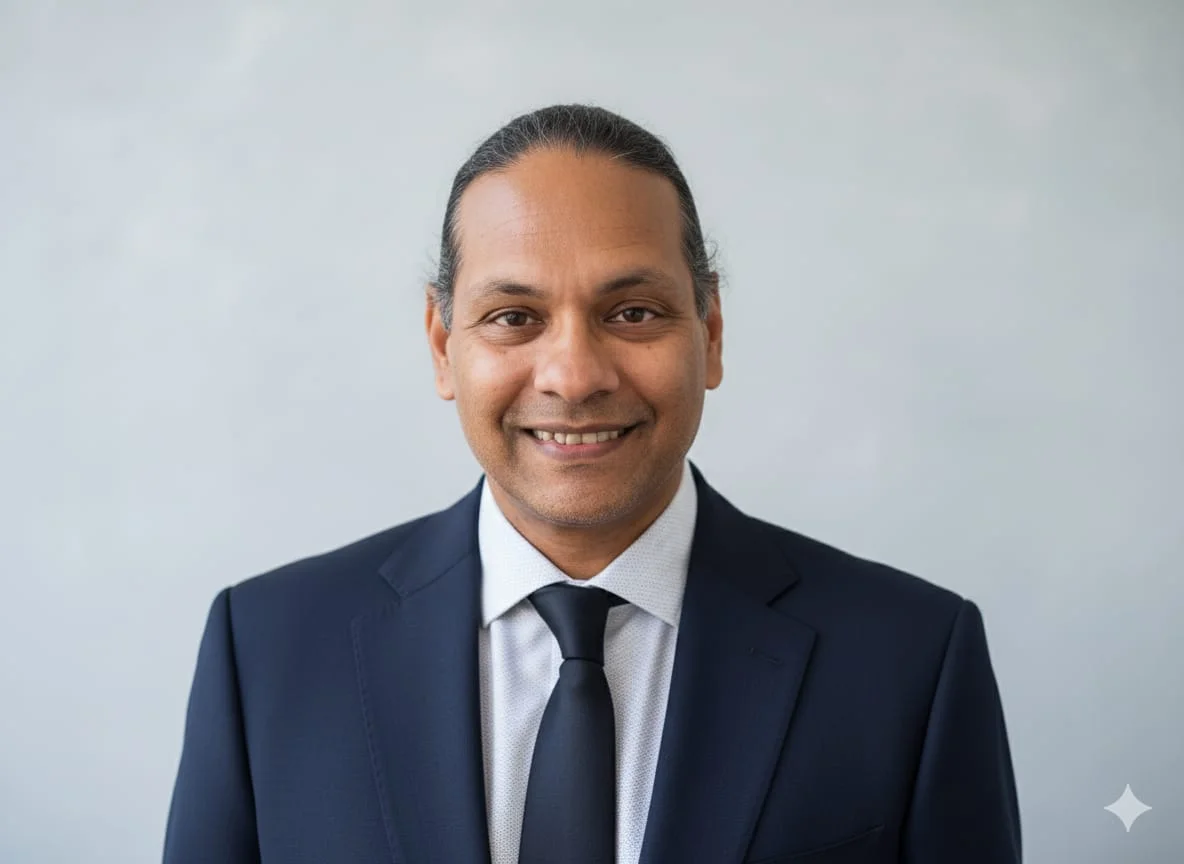
From ultra-thin inner-layer transplants for Fuchs’ dystrophy to full-thickness grafts for scarred corneas — led personally by Mr Hatch Mukherjee, consultant corneal ophthalmologist and fellowship-trained transplant surgeon with over 20 years’ specialist experience.

Professional memberships, fellowships & leadership roles




Why Patients Choose Mr Mukherjee for Corneal Surgery
Corneal transplantation is highly specialised surgery. Outcomes — graft survival, visual recovery, rejection risk — depend fundamentally on matching the right procedure to the right condition and on the precision of the surgeon who performs it.
Mr Mukherjee is one oe eht UKs most repected corneal transplant surgeons — using femtosecond laser assistance for micron-level accuracy not available in all centres. He regularly trains other UK consultants in the use of this advanced technology.
He completed a dedicated corneal and anterior segment fellowship following specialist training, and holds triple post-fellowship expertise across corneal disease, refractive surgery and glaucoma. He performs the full range of modern corneal transplant procedures, including DMEK — the most technically demanding and visually superior approach for endothelial disease
You see the expert, not a team
Your consultation, surgical planning, operation and all follow-up are conducted by Mr Mukherjee personally — your care is never delegated to a trainee or registrar.
Triple fellowship training
Corneal disease, refractive surgery and glaucoma — a combination enabling complete, joined-up management of complex anterior segment conditions that span more than one specialty.
Femtosecond laser precision
Laser-assisted corneal transplant preparation achieves micron-level accuracy in cut geometry and depth — not available in all centres and not replicable with manual technique alone.
Complex & failed graft cases
Referrals accepted for failed previous transplants, bilateral disease, post-infectious scarring and cases where surgery elsewhere has not delivered the expected result.
Find out why our patients recommend Mr Mukherjee.
Verified through PHIN — the independent Private Healthcare Information Network.
"I left reassured and confident in the consultant and well informed about the options available to me."
"The entire team made me feel at ease from consultation to aftercare."
"Innovative approach... my vision has surpassed both of our expectations."
Who we help
Conditions Treated with Corneal Surgery
Corneal surgery is needed when the cornea — the eye’s clear front surface — is too damaged, distorted or diseased to restore vision through glasses, contact lenses or medication alone. Mr Mukherjee
Fuchs’ Endothelial Dystrophy
Progressive loss of the cornea’s inner pump cells, causing morning blurring, glare and eventual clouding. Treated with DMEK — the ultra-thin endothelial transplant with the fastest recovery and lowest rejection rate. Can be combined with cataract surgery in a single operation.
Advanced Keratoconus
When cross-linking and contact lenses are no longer enough and the cornea has become too steep or irregular to correct optically, DALK transplantation can restore functional vision while preserving the patient’s own healthy endothelium.
Corneal Scarring
Scarring from herpes simplex keratitis, bacterial infection, trauma, chemical injury or previous surgery. Depending on depth and layer involved, DALK preserves the inner endothelium; PK is used when all layers are affected.
Corneal Dystrophies
Inherited conditions affecting different corneal layers — granular, macular, lattice, epithelial basement membrane and others. Advanced cases affecting vision significantly may require transplantation tailored to the layer involved.
Failed Previous Transplant
Graft failure from immune rejection, endothelial decompensation or primary non-function. Mr Mukherjee accepts referrals for repeat transplantation and complex graft revision from across the UK and internationally.
Post-Surgical Corneal Failure
Corneal decompensation following cataract surgery, anterior chamber trauma or other intraocular procedures — where the endothelial cell population has been critically reduced and the cornea has begun to swell and cloud.
Choosing the Right Transplant for Your Cornea
The most important decision in corneal transplantation is matching the correct procedure to your specific condition.
We are among a few centres worldwide that use the latest femtoseocnd laser technology for transplant surgery to assure you of the best possible result.
Mr Mukherjee’s sub-specialist expertise ensures precise procedure selection every time.
DMEK — Descemet Membrane Endothelial Keratoplasty
Replaces only the single innermost layer of the cornea (10–15 microns thin). The gold standard for Fuchs’ dystrophy and other endothelial failure. Fastest visual recovery, lowest rejection rate, smallest incision. Technically the most demanding corneal procedure — not performed at all centres.
DALK — Deep Anterior Lamellar Keratoplasty
We use Fentosecond laser assisted DALK to replace the front layers of the cornea while preserving the patient’s own healthy inner endothelium. Used for keratoconus, anterior scarring and stromal dystrophies. Significantly lower rejection risk than full-thickness transplant because the patient’s inner layer is retained.
PK — Penetrating Keratoplasty
Femtosecond laser Full-thickness corneal replacement, reserved for conditions damaging all layers simultaneously or where partial-thickness techniques are not feasible. Longer recovery (12–18 months) but the appropriate choice for severe multi-layer disease and certain failed previous grafts.
DMEK & Cataract in a Single Operation
Many patients with Fuchs’ dystrophy also have cataract — two separate conditions that would each require their own operation if treated in sequence. Mr Mukherjee routinely performs combined DMEK with cataract removal and lens implantation as a single procedure.
One anaesthetic. One recovery. One set of follow-up visits. The outcome: a clear, healthy cornea with a precisely calculated implanted lens — restoring the best possible vision in the most efficient way. Staging the two procedures months apart adds risk, delay and cost for no clinical benefit in appropriate cases.
Why Patients Choose Private Corneal Transplant Surgery
NHS corneal transplantation is available in some centres, but waiting times for DMEK and DALK can exceed twelve months — a period during which vision may continue to deteriorate and daily life is significantly affected.
Private treatment with Mr Mukherjee offers a fundamentally different experience:
- No waiting list — assessed and treated at a time that suits you, not determined by NHS capacity
- Consultant-led throughout — Mr Mukherjee personally conducts every consultation, performs every operation and leads every follow-up visit
- Full range of procedures — DMEK, DALK, PK and combined cataract-transplant all available, matched precisely to your needs
- Complex case expertise — failed grafts, bilateral disease and difficult cases welcomed
- Transparent, fixed-fee packages — no unexpected bills, no hidden charges
If you have been placed on a waiting list or advised to return in 12 months, a private assessment can clarify whether earlier treatment is clinically advisable — and what your options are.
Ready to discuss corneal surgery with a consultant specialist?
Book a consultation with Mr MukherjeeFuchs’ Endothelial Dystrophy — Full Guide
Fuchs’ is the most common reason for corneal transplantation in the UK, yet many patients wait years for a diagnosis — because early symptoms closely mimic dry eye or normal ageing. Recognising it earlier means treatment before vision is significantly impaired.
DMEK — the ultra-thin endothelial transplant Mr Mukherjee specialises in — offers visual recovery in weeks rather than months, with rejection rates far lower than older techniques. Where cataract is also present, a single combined operation addresses both simultaneously.
Your Corneal Surgery Journey
- Initial consultation — Full assessment of corneal health, visual function and overall suitability. Corneal topography, endothelial cell count and anterior segment imaging as required. Mr Mukherjee will explain your diagnosis and every available option clearly and without pressure.
- Pre-operative planning — Precise surgical planning, lens selection for combined procedures, and coordination with the tissue bank. All logistics are managed by the clinical team on your behalf.
- Surgery — Day-case procedure under local or general anaesthetic. You arrive, have your operation and return home the same day. Mr Mukherjee performs the procedure personally.
- Early follow-up — Frequent review in the days and weeks immediately after surgery to monitor graft attachment, intraocular pressure and early visual progress. Led by Mr Mukherjee, not a rotating team.
- Long-term care — Ongoing monitoring for graft health and endothelial cell density over years. We remain your named point of contact for any question or concern.
Frequently Asked Questions
Speak to a consultant corneal transplant surgeon.
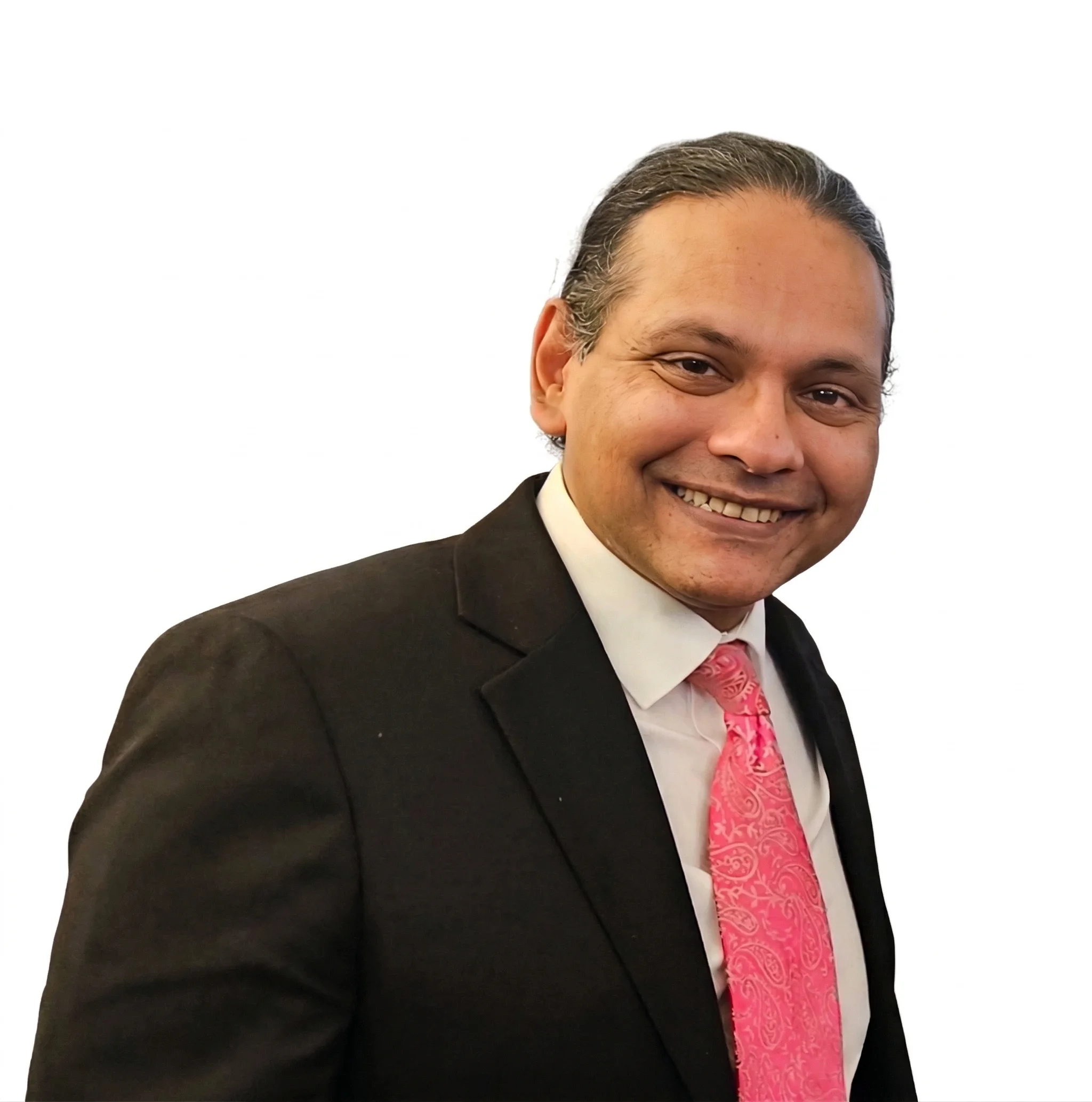
Mr Hatch Mukherjee provides expert corneal surgery and transplantation in Colchester, Essex. You will be seen and treated by the consultant personally — from your very first visit to your last follow-up.